
Describe the property
Send the location, symptoms, equipment and access details. State whether the work is a repair, replacement or planned project.
Need plumbing help in Milton? Tell us about the leak, blocked drain, fixture or water heater. A responding provider will confirm coverage and availability before booking.
Get A Free QuoteCompare an existing tank’s capacity, fuel, venting and rental terms with household demand before choosing a replacement tank or assessing a tankless system.
View scopeDescribe which fixtures are affected and how often clogs return. Older clay or cast-iron sections may warrant camera inspection after clearing to distinguish roots from pipe damage.
View scopeIf galvanized or mixed supply piping is present, document symptoms and accessible materials. Compare proposed PEX or copper routes, water shutoff sequencing, testing and inspection requirements.
View scopeFor fixture swaps, check dimensions and connections. For a basement bathroom, share plans early so drain, vent, water-line and inspection requirements can be considered before finishes.
View scopeRecord meter readings and symptoms, then compare suitable isolation, acoustic or thermal checks. Pipe location and access determine how investigation and repair affect finished surfaces.
View scopeUse pit, pump and discharge details to assess replacement sizing. Consider backup alarms separately, and verify backwater valve access, inspection needs and current program eligibility.
View scopeStart with a relevant water test. Compare equipment against measured hardness or other results, household flow, maintenance needs and, for private wells, the laboratory analysis.
View scopeTreatment choices should follow a water test, not a citywide assumption. If a home uses municipal water, identify the specific concern, such as scale or taste, and test or verify the relevant characteristics before selecting equipment. If a property uses a private well, obtain a current laboratory analysis that checks the parameters of concern, which may include hardness, iron or sulphur. Household size, flow demand, drainage and available space also affect system selection and installation.
Compare an existing tank’s capacity, fuel, venting and rental terms with household demand before choosing a replacement tank or assessing a tankless system. Describe which fixtures are affected and how often clogs return. Older clay or cast-iron sections may warrant camera inspection after clearing to distinguish roots from pipe damage. If galvanized or mixed supply piping is present, document symptoms and accessible materials. Compare proposed PEX or copper routes, water shutoff sequencing, testing and inspection requirements.
For fixture swaps, check dimensions and connections. For a basement bathroom, share plans early so drain, vent, water-line and inspection requirements can be considered before finishes. Record meter readings and symptoms, then compare suitable isolation, acoustic or thermal checks. Pipe location and access determine how investigation and repair affect finished surfaces.
Use pit, pump and discharge details to assess replacement sizing. Consider backup alarms separately, and verify backwater valve access, inspection needs and current program eligibility. Start with a relevant water test. Compare equipment against measured hardness or other results, household flow, maintenance needs and, for private wells, the laboratory analysis.
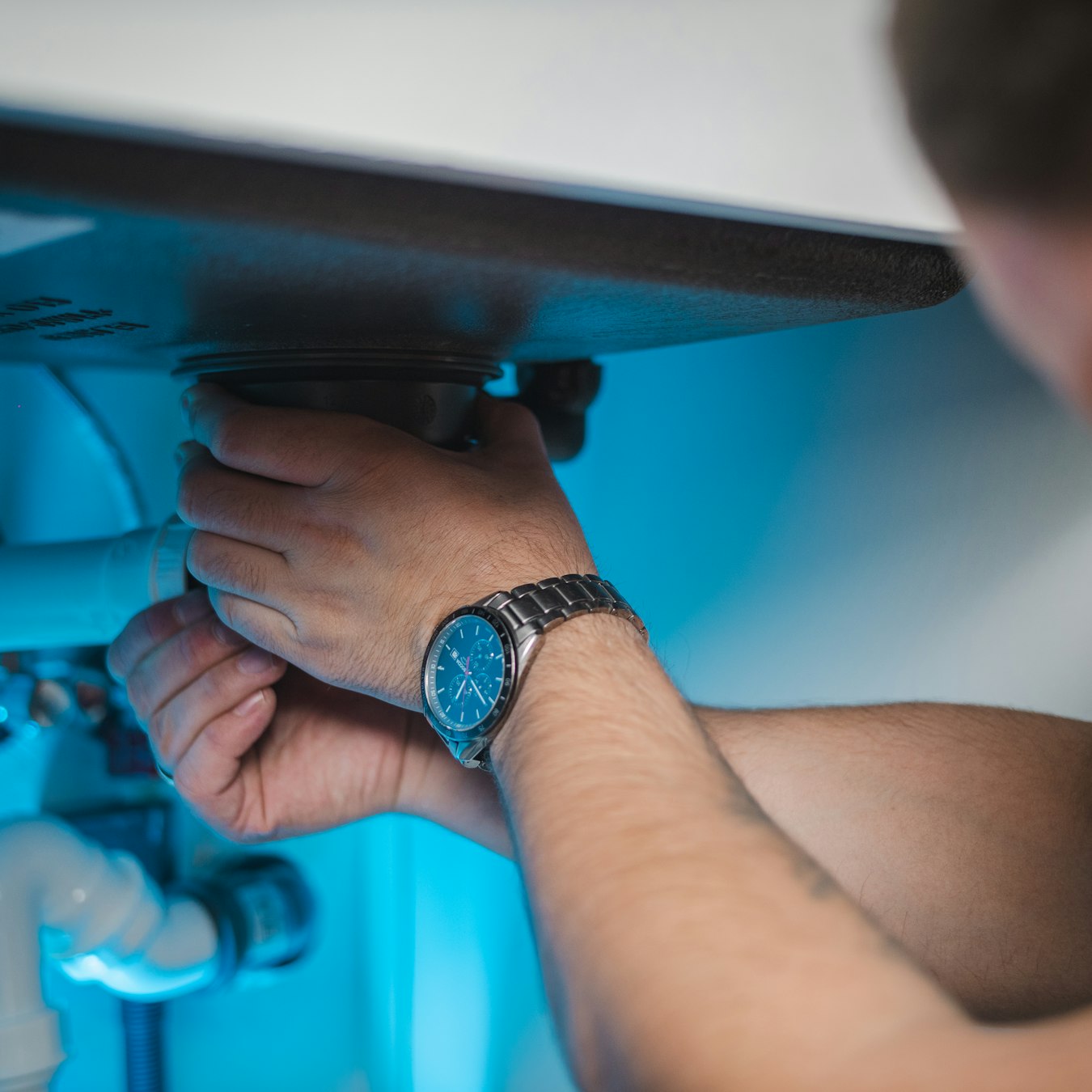
A slow kitchen sink and a main drain backing up call for different checks. If a property has recurring kitchen clogs, ask whether grease or soap buildup is restricting the line; if an older sewer has clay or cast-iron sections, roots or pipe damage may need investigation. A camera inspection after clearing can help distinguish a temporary blockage from a repair need. Share which fixtures are affected, how often the problem returns and any prior inspection footage to help define the work.
Explore this serviceSend the location, symptoms, equipment and access details. State whether the work is a repair, replacement or planned project.
The request is reviewed so the responding provider can clarify the work, property access and service coverage.
Agree the provider identity, qualifications, written scope, pricing and visit window directly. Sending a form does not confirm an appointment.
If galvanized pipe is present, photograph accessible sections and note which fixtures have low pressure or discoloured water. Ask how much piping the proposal replaces and how new PEX or copper will connect to existing sections. The material, condition and route of concealed lines determine whether a focused replacement or a broader repipe is appropriate.
Before treating ownership as a simple monthly savings, read the rental agreement for buyout, return and removal terms. Photograph the tank label and connections, and ask what equipment and installation work an owned replacement would require. These details help compare the full costs rather than only the recurring payment.
If the property has a private well, obtain a current laboratory test and share the results before discussing treatment. Ask which result each proposed stage addresses; iron, hardness and sulphur may require different approaches, and UV treatment has a specific role. The water analysis, flow and maintenance needs determine whether a softener, oxidizer or other equipment is relevant.
If a property has older clay or cast-iron sewer pipe and recurring blockages, ask whether roots, offsets or deterioration are visible. Request the camera footage and the location of any obstruction. Root cutting may restore flow, but evidence of pipe damage changes the scope; compare maintenance and repair options against the actual findings.
If a suspected leak involves a warm-water line beneath tile or a slab, ask whether thermal imaging is suitable and what other evidence will confirm the location. Photograph the marked area and request an explanation of the camera findings before cutting. Pipe temperature, floor materials and access can affect what the image reveals and the repair opening required.
Use the form to describe the property, the symptoms and the work requested. For Campbellville, Georgetown, Burlington, Oakville, include your postal code so local coverage can be checked.
Select a listed location for guidance or use the inquiry form. Provide the property location, equipment and access details so the provider can review the request.